Overseeding or Reseeding in Stoughton, WI: Choosing the Best Fix for a Thin Lawn
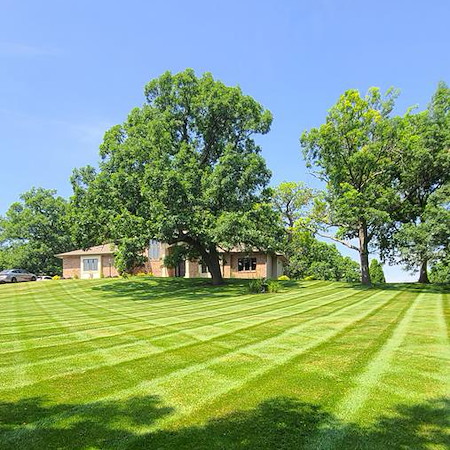
A thin, tired lawn can make your whole yard feel worn out. If you live in Stoughton, WI, the right solution is usually either overseeding or reseeding. This guide explains how each option helps, when they work best in our climate, and why pairing seeding with lawn fertilization produces thicker grass that holds up to real life in Dane County.
If you are comparing providers, many homeowners start by searching for overseeding services in Stoughton, WI. At C&Z Lawn Care, LLC, we evaluate turf density, sunlight, foot traffic, and soil so you get a plan that fits your property, not a one-size-fits-all fix.
What Makes Lawns Look Thin In Stoughton
Cool-season grasses like Kentucky bluegrass and fescue thrive here, but they can still thin out. Shade from mature oaks, heavy use near driveways and play areas, and compacted soils along sidewalks all chip away at density. Seasonal swings add stress too. Spring rains can puddle near curbs, summer heat slows growth, and fall leaves can trap moisture on the turf surface.
When turf density drops, weeds find openings, soil dries faster, and patches spread. The sooner a pro addresses the cause, the faster the lawn returns to a full, even look.
Overseeding vs. Reseeding: What’s The Difference?
- Overseeding adds new seed into an existing but thinned lawn to boost density, fill light patches, and diversify the turf with improved varieties.
- Reseeding replaces damaged or bare areas by starting fresh. It can be targeted to sections or done as a full-lawn renovation when large areas have failed.
Both methods can transform a yard. The choice comes down to how thin the lawn is, how much bare soil you can see, and whether underlying issues like shade or traffic are addressed in the plan.
How Overseeding Services In Stoughton, WI Compare To Reseeding
Overseeding works best when at least half the existing turf is healthy. The mature grass protects seedlings, limits erosion, and speeds coverage. It is ideal for lawns that look threadbare after a busy summer, especially around patios and play zones where feet and paws are hard on the turf.
Reseeding steps in when large sections are bare or the wrong grass dominates. If grubs, disease, or repeated drought damage left open soil, new seed needs a clean slate and careful aftercare. In these cases, trying to sprinkle a little seed into dead patches rarely delivers even color or texture.
When Overseeding Is The Better Call
Choose overseeding when you want to thicken turf without starting over. It shines in these local situations:
- Shady backyards near mature trees where grass thins under filtered light
- High-traffic strips along sidewalks, mailboxes, and the driveway apron
- Lawns with light patchiness after a busy summer or a stretch of dry weather
- Yards that need stronger disease tolerance or better color from improved varieties
Overseeding also pairs well with seasonal nutrition. A tailored program of seasonal lawn fertilization supports new seedlings so they knit in faster and stand up better to fall play and early-spring swings.
When Reseeding Is The Smarter Fix
Go with reseeding when you see broad bare spots or turf that will not bounce back. That includes lawns with heavy thatch history, long-term neglect, or areas where runoff scoured soil during strong storms. Reseeding is also the right path after major shade changes, like tree removal, that shift the site’s growing conditions.
With reseeding, the goal is even, reliable coverage. That means selecting varieties that match sun patterns, wear, and the way water moves across your lot. A pro plan sets expectations for germination windows so you know when traffic can return to normal.
Why Timing In Dane County Matters So Much
Cool nights and steady soil warmth make early fall the go-to window for both overseeding and reseeding in southern Wisconsin. Seed has time to germinate, root, and thicken before winter, then it wakes strong in spring. Spring can work in some cases, but it often fights weeds and fast-changing weather. Summer is tough on seedlings because heat and intermittent rain demand careful scheduling and support.
Fertilizer timing matters too. Our climate’s spring flush and fall rebuild benefit from measured nutrients, not big spikes. For a deeper look at common pitfalls, see our local article on fertilization mistakes Stoughton homeowners make and how a pro plan avoids them.
Shady Corners, Play Zones, And Pet Paths
Not all thin turf has the same cause. Shade along the north side of a home reduces sunlight hours, so seed blends need better shade tolerance. Open sunny lawns near Lake Kegonsa may thin from weekend games and cookouts. Narrow strips at the curb can dry out faster and collect road splash during storms. A targeted approach for each micro-area leads to smoother color and feel across the whole yard.
High-use paths deserve extra attention. A denser seed blend with stronger wear tolerance helps grass stand back up after foot traffic. Where kids cut the same corner or pets race the fence line, we focus on durable varieties and a plan that supports recovery after busy weeks.
How C&Z Lawn Care, LLC Builds A Seeding Plan That Lasts
We start by learning your lawn. Sun maps, soil observations, traffic patterns, and drainage notes guide seed choice and the schedule. Seed quality matters. We source improved cool-season varieties that match Stoughton’s weather pattern and your property’s specific conditions. Blends are chosen to balance color, texture, and wear tolerance.
Support matters just as much. With the right nutrients at the right time, seedlings root deeper and fill faster. That is why we align seeding with a measured nutrition plan and simple, clear guidance on when areas can be used again. The result is a lawn that feels thicker underfoot and holds color longer through the season.
Overseeding, Reseeding, And Fertilization Work Better Together
Think of seeding as adding new players to your turf and fertilization as feeding the whole team. After overseeding or reseeding, a steady nutrient plan builds roots and density. It also helps the new grass compete with weeds as temperatures swing. Our programs are designed so nutrition supports growth without forcing overly tall, weak blades.
Pairing seeding with a professional nutrition schedule protects your investment. It is the difference between a quick pop of green and a lawn that holds up to ball games, backyard gatherings, and daily life.
What You Can Expect After A Professional Visit
Most homeowners notice richer, more even color first. As density improves, mowing feels smoother and the lawn springs back from footprints faster. In areas that used to thin each summer, a better variety mix plus supportive nutrition keeps coverage more consistent through hot spells and busy weekends.
If a large portion of your lawn is bare, reseeding will set a truer baseline for long-term results. If your lawn still has decent coverage but looks threadbare, overseeding will likely be the faster route to a thicker surface. Either way, a plan built for your yard is what delivers the change you can see from the street.
Local Examples We See Around Town
Front lawns along busier streets often show thin curb strips from heat and road splash. Backyards near tree lines need mixes that handle morning shade and afternoon sun. Lots that slope toward the sidewalk can lose seed and nutrients during fast storms if timing is off. These are the kinds of details our team plans for so your results stick.
Heavy shade plus high traffic needs both variety choice and realistic expectations. With the right blend and a supportive schedule, even tough corners can improve their look and feel over a season.
Ready To Choose The Right Fix For Your Lawn?
If your turf is patchy but still present, overseeding may be your best bet. If wide areas are bare, reseeding will reset the field. Either way, pairing seeding with a tuned nutrition plan helps results last. Explore how our lawn seeding service thickens turf, then see how our team supports growth with a balanced fertilization schedule tailored to local weather.
When you are ready to get started, call 608-205-8827 to talk with a friendly specialist at C&Z Lawn Care, LLC. Our crew will look at your yard, share a clear plan, and handle the timing so you do not have to track every forecast.
Want a lawn that fills in faster and stays greener through fall? Learn how our lawn fertilization program supports new seed and keeps established turf performing week after week.
Ready for a Healthier Lawn? Contact Our Lawn Care Experts In Stoughton & Surrounding Areas