Landscape Rock vs. Mulch: Which Is Better for Wisconsin Weed Control and Drainage?
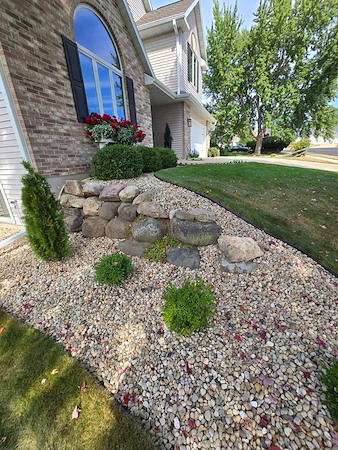
Choosing between landscape rock and mulch is easier when you look at how each performs in Stoughton’s climate. South‑central Wisconsin sees spring thaws, soaking rains, and breezy falls that move leaves and seeds around. Below, we explain how each option handles weeds and water, where each shines, and when a blended approach is smartest. If you want a pro install that looks clean and lasts, explore our landscape rock installation with C&Z Lawn Care, LLC.
How Wisconsin Weather Changes the Ground Cover Decision
Our area’s freeze and thaw cycles can shift loose material, while clay soils hold water after storms. In summer, hot sun along driveways and south-facing beds dries soil fast. These swings affect both weed pressure and drainage. Beds near Lake Kegonsa or open fields often get windblown seeds that sprout wherever debris collects.
That is why the right ground cover is less about style and more about performance on your property in Stoughton, McFarland, or Oregon.
When Landscape Rock Performs Best in Stoughton, WI
Landscape rock creates a clean, finished look that stays put for years. It does not break down, so its color and texture remain steady season after season. In our area, rock works especially well in spots that take abuse or need quick drainage.
- Along foundations, AC units, and downspouts where you want fast runoff and easy access for service
- High-traffic edges by walkways and driveways where mulch tends to scatter
- Sunny, heat-prone strips that dry out quickly and stress plants
For weed control, rock needs help. Leaves and silt can settle between stones and create a seedbed. A professional install uses quality edging and a durable underlayment so the bed stays tidy and easier to maintain over time.
Where Mulch Outperforms Rock for Weed Control and Plant Health
Organic mulch smothers light at the soil surface, which slows germination. It also holds moisture and protects roots when temperatures swing. That is why mulch excels in planting beds with perennials, trees, and shrubs. Over time, it breaks down and improves soil structure in our heavier clays, which helps both drainage and root growth.
Mulch does require periodic top-ups. How often varies by season, tree cover, and bed size. A professional crew will time refreshes so depth stays effective without smothering plants. If you want details about our bed care approach, see our service page for mulching.
Rock Bed Fabric, Edging, and Drainage: What Matters Most
Rock beds are only as good as what is under and around them. The right choices protect drainage and reduce weed breakthroughs.
- Ask for woven geotextile under rock in high‑weed zones. It resists tearing and lets water pass better than plastic sheeting.
- Choose edging that stands up to snow and spring cleanup. Sturdy steel, concrete curbing, or quality vinyl keeps rock from migrating into turf.
- Direct water where it belongs. Rock works with swales and downspout extensions to carry water away from foundations and low spots. If pooling is a problem, consider site shaping with professional grading before any bed refresh.
- Never pile rock or mulch against siding or tree trunks. Give space so moisture does not linger where it can cause damage.
Local safety note: Keep loose rock a few inches back from lawn edges. Mower blades can throw stones, which is unsafe. A narrow mulch strip or solid edging along the grass line prevents this and saves your trimmer line.
Weed Control Reality Check: Rock vs. Mulch
In pure weed suppression, properly maintained mulch usually wins in plant-heavy beds because it blocks light and builds healthier soil. Rock can still do well if debris is blown off and the base stays clean. For areas that catch a lot of leaves each fall, plan for quick cleanups so seeds do not settle into rock joints.
Want a closer look at seasonal weed pressure in our area? Read our quick guide: weed control strategies that actually work in Wisconsin summers.
Drainage Performance Through the Seasons
Mulch slows surface water and soaks it into the soil. That is great for beds that need moisture and insulation. Rock sheds water faster, which is ideal near downspouts and in swales that move water away from your home. In spring, when soils are saturated around Stoughton and McFarland, rock paths and dry creek accents can keep feet dry and protect nearby turf from ruts.
If water lingers after storms, it is a site issue first. Slope and soil density often matter more than your choice of cover. A quick evaluation can confirm whether reshaping the grade or adding a shallow swale is the first step before installing landscape rock or refreshing mulch.
Maintenance and Long‑Term Care
Both materials need periodic attention, just in different ways. Rock beds benefit from spring leaf removal and occasional top-offs to keep coverage even. Mulch beds get topped up on a schedule so weed control stays strong and the look stays fresh. The overall effort depends on how many trees you have, how windy your site is, and how much foot traffic your beds receive. There is no one-size-fits-all plan, but the right setup up front keeps visits short and predictable.
Skip cheap plastic under mulch. It traps moisture, tangles roots, and still lets windblown seeds sprout on top. A better plan is healthy soil with the correct mulch depth and clean edges.
Foundation, Shade, and Curb Appeal: Matching Material to the Spot
Across Dane County, most homes look best with a mix. A narrow rock band along the foundation handles splashback, service work, and snow piles from the roof. Deeper planting beds under maples and oaks prefer mulch for plant health and weed control. Front walkways and mailbox islands often look sharp with decorative stone because the clean line holds up to traffic and salt.
On streets with more wind near the lake, rock can keep beds from looking messy during leaf season. In sheltered backyards, mulch helps your hydrangeas and hostas thrive through hot weeks in July.
So, Which Should You Choose for Stoughton, WI?
If your priority is the fewest weeds in plant beds and stronger soil, mulch is usually the pick. If you need fast drainage, easier cleanup, or heavy-duty durability along foundations and paths, rock is tough to beat. Most Stoughton properties do best with both: rock where water and wear are highest, mulch wherever plants do the real work.
When you are ready to upgrade, our team at C&Z Lawn Care, LLC designs the details that make the difference: rock bed fabric where it helps, clean edging that lasts, and plant-friendly mulch depth in the right zones. Visit our landscape rock page to see how we build beds that look great and stay easy to maintain.
Get Local Help You Can Trust
We are neighbors serving neighbors from Downtown Stoughton to the neighborhoods around Lake Kegonsa. If you want a smooth process and a tidy result, call us at 608-205-8827. For a quick overview of everything we do, start at landscape rock in Stoughton, WI and explore our services.
Ready when you are. Our crew plans around Wisconsin weather, protects drainage, and builds in maintenance that fits your yard. That is how we keep your beds clean and your weekends free.
Ready for a Healthier Lawn? Contact Our Lawn Care Experts In Stoughton & Surrounding Areas